May 5, 2026
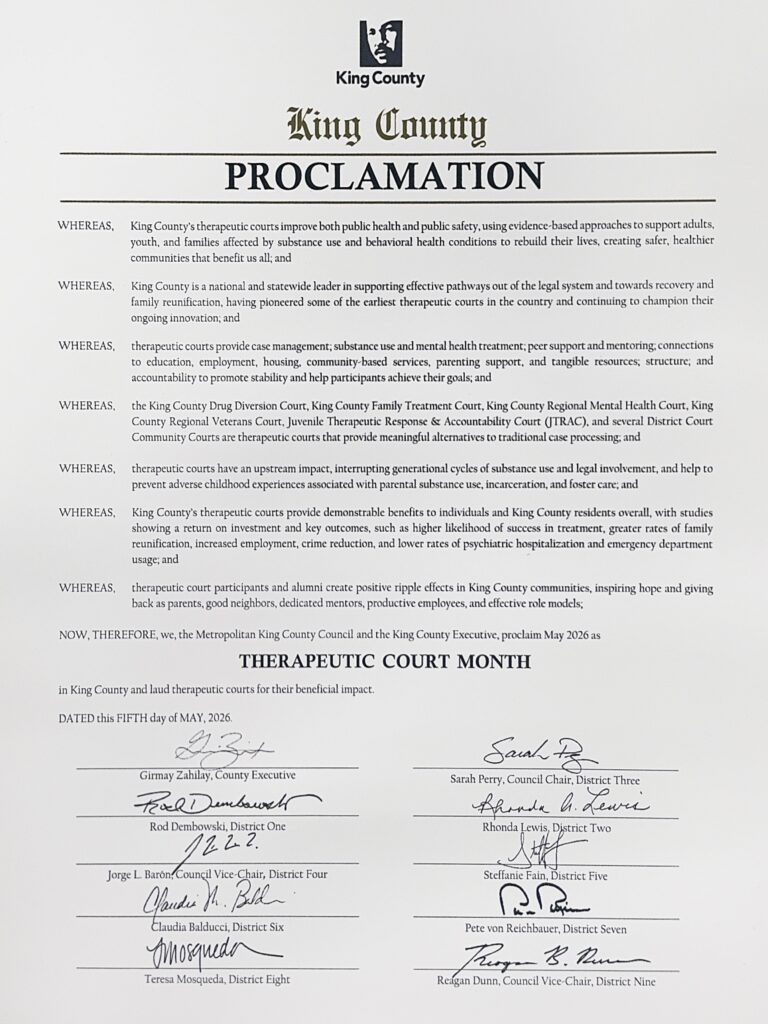
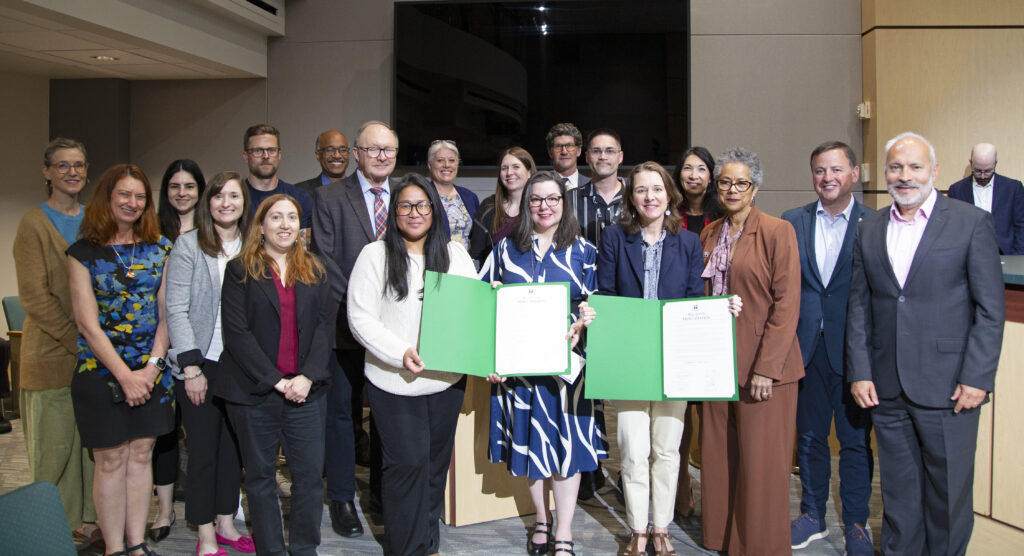
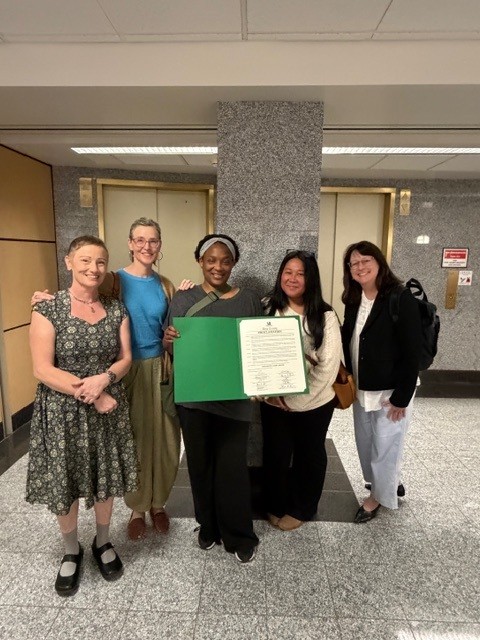
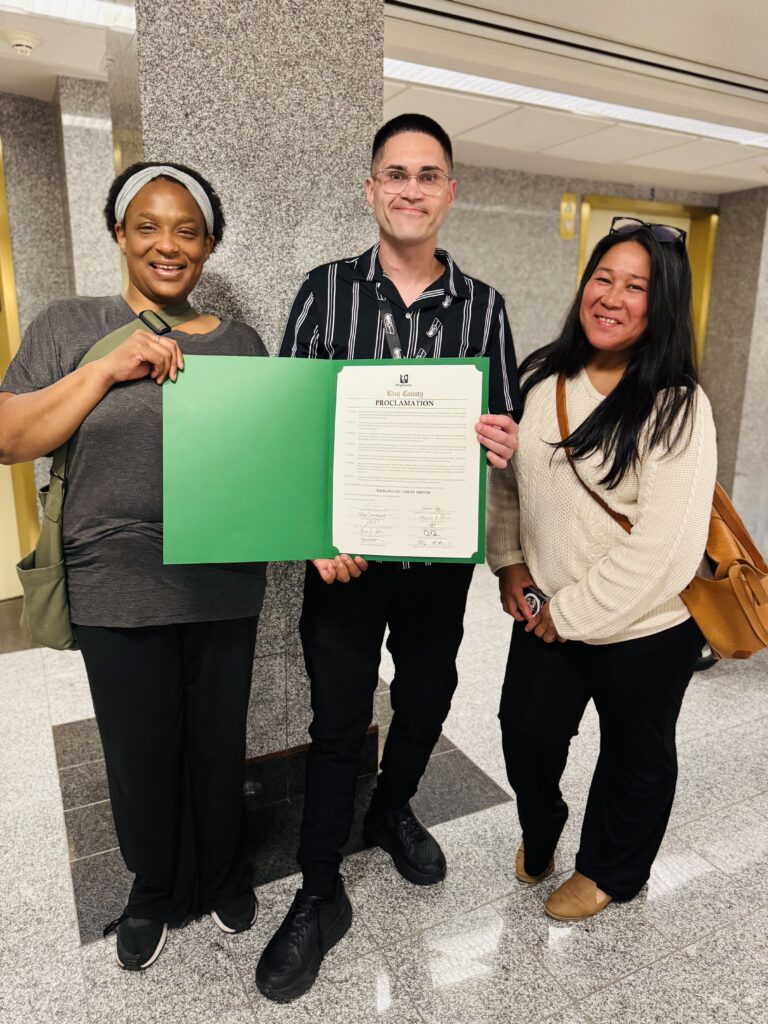
The Metropolitan King County Council and the King County Executive jointly proclaimed May 2026 as Therapeutic Court Month in King County!
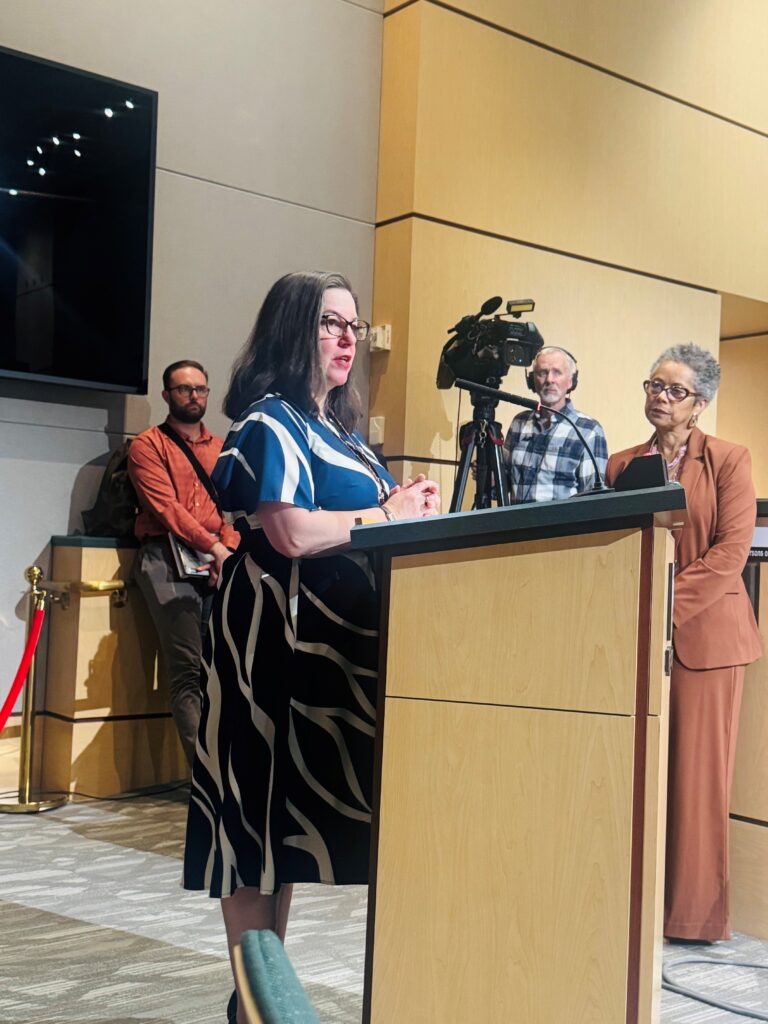
Watch a video of the proclamation event here featuring:
- Councilmember Rhonda Lewis presenting the proclamation.
- King County Superior Court Presiding Judge Averil Rothrock.
- King County District Court Chief Presiding Judge Rebecca Robertson.
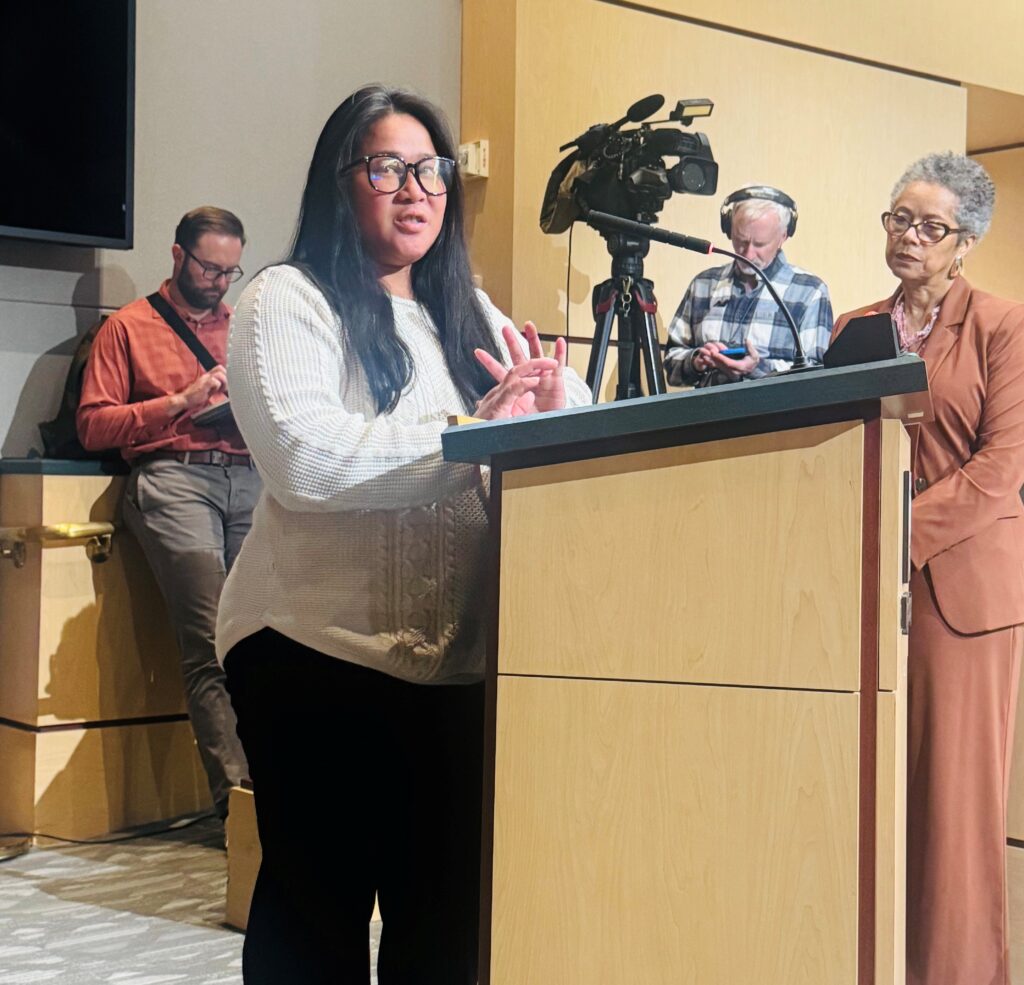
- King County Family Treatment Court Alumni, Tami Siemers.
Read: Therapeutic Courts Month Celebrates the Success of Participants (King County Superior Court blog post)
Tami Siemers is proof that therapeutic courts work. She grew up in foster care, without accountability, responsibility, or a sense of belonging, she said. When she ended up in jail due to her drug addiction, and her daughter was placed in foster care, King County Family Treatment Court provided an opportunity to break the cycle.
“Family Treatment Court didn’t just help me, it taught me how to contribute as a member of society, and gave me the tools, and knowledge, that I should’ve gotten growing up,” Siemers said.
That was ten years ago. Siemers is now a Family Recovery Support Specialist with King County Family Treatment Court, helping others rebuild their lives as she herself as done. At the King County Council, which proclaimed May Therapeutic Court Month in King County on May 5, 2026, Siemers said the therapeutic court approach helped her build healthy relationships.
She learned about “community assets, social assets, personal assets, family, friendship, and connection,” she said. With this knowledge, she was able to regain the “sense of belonging that I had lost as a teenager.”
King County was among the first counties in the nation to adopt a therapeutic court model, King County Drug Diversion Court, 30 years ago. King County now has Family Treatment Court King County Regional Mental Health Court, King County Regional Veterans Court, Juvenile Therapeutic Response & Accountability Court (JTRAC) and several District Court Community Courts.
These specialized courts provide participants with programs that address the reasons for their involvement in the criminal legal and dependency systems, with the goal of having their charges dismissed or their children returned home and avoiding future legal involvement.
King County Superior Court Judge Averil Rothrock said therapeutic courts are rooted in science and balance compassionate support with requirements that provide accountability.
“We are able to offer out and extend a hand to members of our community who are willing to take it and do the hard work that’s required to accept the interventions that we have,” Judge Rothrock said.
Because therapeutic courts interrupt generational cycles of substance use, foster care, and incarceration, they “are one of the most important, effective, humane, and fiscally responsible things that county government does,” said King County Councilmember Rhonda Lewis, who sponsored the proclamation.
Siemers, who is now working on a master’s degree in social work, said she’s grateful that the Family Treatment Court staff believed in her ability to change.
“I’m ten years clean and sober; I’m married. I have a teenage daughter. I have a place that I can call home and feel safe,” she said.
She said the combination of support and accountability provided by Family Treatment Court helped her sustain these changes over the long term: “They taught me how to fish and didn’t just hand me the fish.”